Modernize Your Space With Our Expert Renovation Company Services
Transforming a space can substantially improve both functionality and aesthetic appeal. Professional remodeling services offer a blend of excellent construction and modern aesthetics. These services streamline the remodeling process, ensuring minimal stress for homeowners. Comprehending the various aspects involved is essential. What steps should one take to achieve a successful transformation? The answers might lead to unexpected insights and worthwhile reflections.
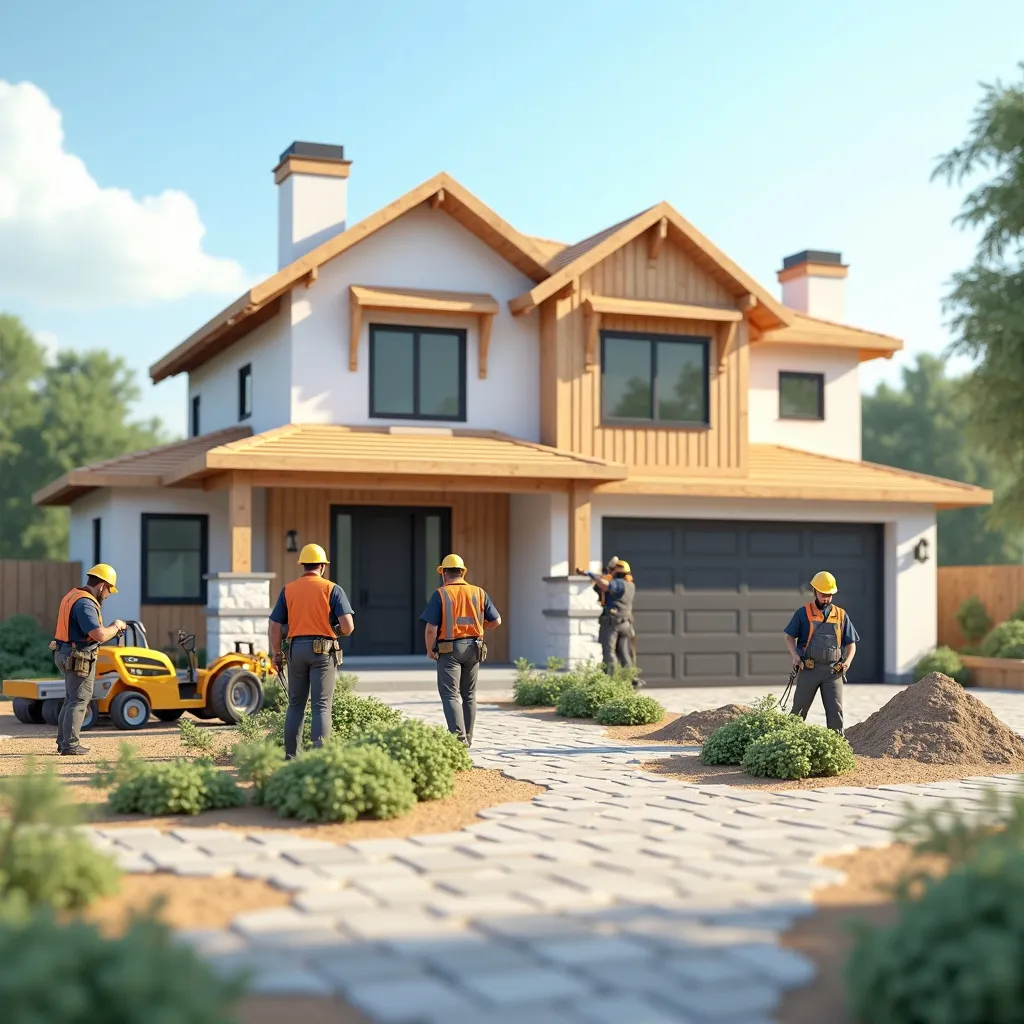
The Advantages of Professional Renovation Services
When homeowners decide to enhance their home spaces, they often discover that professional renovation services provide major advantages. Engaging professionals in the industry guarantees high-quality workmanship that meets industry standards. These skilled professionals possess the required skills and expertise to handle complicated projects, diminishing the risks of expensive mistakes that DIY projects might cause.
Additionally, skilled contractors bring creative design solutions that can reshape a space in ways homeowners may not visualize. They keep current on the latest styles and innovations, which can markedly enhance aesthetics and functionality. In addition, utilizing professional services often streamlines the process, as these experts manage everything from design and approvals to execution and inspections.
In the end, retaining skilled remodeling professionals not only boosts the caliber of the renovation but also alleviates stress for homeowners, allowing them to enjoy the transformation of their living spaces without undue hassle.
Comprehending the Alteration Process: What Can You Expect?
Grasping the remodeling process is essential for property owners considering a project. This process typically begins with an initial consultation, followed by detailed design and planning stages. Ultimately, the project timeline outlines the steps from start to finish, guaranteeing transparency throughout the venture.
Opening Consultation Steps
How can someone navigate the often complicated world of renovation? The initial consultation serves as a vital first step in this process. During this session, clients consult with experts to discuss their goals, financial plan, and timeline. The remodeling company usually performs a comprehensive assessment of the current space, noting structural elements and any potential challenges. This is also an opportunity for clients to ask questions and clear up any uncertainties about the process. The experts provide insights based on experience, assisting clients prioritize their needs and desires. Ultimately, this consultation sets the foundation for a successful remodeling project, guaranteeing both parties are in agreement before moving forward into the subsequent phases of design and planning.
Design and Organization Phase
The strategic and developmental phase reshapes starting concepts into tangible blueprints. During this indispensable stage, clients collaborate with design teams to outline their vision, inclinations, and structural needs. Key elements include determining fabrics, pigments, and floor plans that align with the overall aesthetic and use of the space. Design experts leverage state-of-the-art programs to create comprehensive models, letting clients to visualize the project before building starts. Budget considerations also play an important role, as designers guide the prioritization of components and elements to keep within financial constraints. Throughout this period, transparent interaction promises that all stakeholders are aligned, limiting errors in understanding. Ultimately, this rigorous organization lays the groundwork for a effective remodeling project, establishing the path for an efficient and organized construction process.
Building and Conclusion Timeline
What could one expect during the building and finishing schedule of a renovation undertaking? To begin, the process commences with ground readiness, including demolition and clearing. This stage can differ in duration depending on the project's scope. After that, the building phase begins, including framing, plumbing, and electrical work. This phase often takes the most time, as it demands precision and adherence to safety standards. Once the structural elements are in place, final details such as drywall installation, flooring, and painting are completed. Finally, a thorough inspection guarantees all work meets regulatory standards and the homeowner's expectations. Overall, a remodeling project typically spans several weeks to months, based on complexity, enabling homeowners to visualize their transformed space step by step.
Tips for Finding the Perfect Remodeling Company
Selecting the appropriate remodeling company can significantly influence the result of a home renovation project. Homeowners should start by researching potential companies, concentrating on their expertise, areas of expertise, and previous projects. Online reviews and feedback can offer useful insights into the company's reputation. It's essential to confirm qualifications, including permits and insurance, to guarantee adherence with regional regulations.
Next, clients should request multiple bids to assess prices and services, promoting transparency in what is included. Interaction is another vital factor; a company that pays attention to its clients and responds promptly establishes a positive working relationship.
At last, analyzing the company's portfolio can display their design style and craftsmanship quality. By attentively evaluating these factors, homeowners can make an educated decision, ultimately creating a successful renovation that accommodates their aspirations and monetary resources.
Most Valuable Renovation Plans for Your Home
Homeowners regularly explore important renovation projects to upgrade both performance and style. One of the most popular improvements is the kitchen remodel, which can boost home value and form a more inviting space for family celebrations. Upgrading bathrooms is another transformative project; contemporary installations and optimized floor plans can greatly improve comfort and appearance.
Moreover, constructing or upgrading outdoor spaces, including decks or patios, extends living areas and promotes outdoor enjoyment. Completed basement areas also serve as versatile spaces, offering possibilities for leisure activities, residential workspaces, or visitor lodging.
Energy-efficient improvements, including new windows and insulation, not only increase comfort but also minimize utility costs, making them a sound investment. Finally, open floor plans have become increasingly popular, creating a sense of space and connectivity. Each of these projects can significantly transform a home, offering homeowners both immediate enjoyment and long-term value.
Budgeting for Your Home Renovation Upgrade
Budgeting for a home renovation project necessitates careful planning and clear financial goals. Homeowners should begin by evaluating their overall budget, taking into account their spending capability and desired outcomes. It is essential to separate between needs and wants, prioritizing improvements that boost functionality and value.
Next, getting comprehensive estimates from construction professionals can provide accurate projections for labor and materials. Including a emergency reserve—typically 10-20% of the total budget—can assist in covering unforeseen costs that may arise during the renovation project.
Moreover, property owners should evaluate financing options, such as home equity loans or personal loans, to guarantee that they can manage costs efficiently. By creating a clearly outlined budget and professional advice monitoring expenditures throughout the project, property owners can achieve a successful transformation without financial strain. In the end, careful budgeting forms the foundation for a rewarding remodeling experience.
Popular Movements in Home Remodeling Design
Modern movements in home remodeling design stress sustainable practices, reflecting a mounting recognition of ecological footprint. Open layout designs keeps growing in favor, encouraging a sense of spaciousness and flow between rooms. Additionally, home automation systems is transforming how homeowners interact with their home spaces, boosting convenience and efficiency.
Sustainable Design Techniques centered on ecological conservation
A growing number of homeowners are implementing sustainable design approaches in their remodeling projects, reflecting a broader trend towards environmental responsibility. These practices emphasize green materials, power-conserving systems, and water conservation methods. Homeowners are increasingly using recycled or locally sourced materials, cutting their carbon footprint while boosting aesthetic appeal. Incorporating energy-efficient appliances and solar panels not only cuts utility bills but also promotes a sustainable lifestyle. Additionally, natural lighting solutions, such as skylights and larger windows, are increasing in use, encouraging both energy efficiency and well-being. This shift towards sustainability not only supports the environment but also enhances property value, making homes more attractive to future buyers. Ultimately, sustainable design practices embody a innovative approach to current remodeling.
Open Concept Living
Open concept living has grown into a popular movement in home renovation, appealing to homeowners wanting spacious, multifunctional layouts. This design approach breaks down barriers between key areas, such as the kitchen, dining, and living spaces, fostering a sense of connection and flow. By taking out walls, homeowners can develop environments that foster social interaction and maximize natural light. This trend also provides greater versatility in furniture placement, supporting various activities and gatherings. With an emphasis on practical design, open concept layouts can enhance the overall appearance of a home, making it feel more expansive and inviting. Consequently, this design remains a preferred choice for modern homeowners aiming to optimize their living spaces.
Smart Home Combination
Embracing technology, homeowners increasingly emphasize smart home incorporation in their renovation projects. This trend reflects a growing preference for convenience, energy efficiency, and enhanced protection. Smart home devices, such as automated illumination, thermostats, and security systems, can seamlessly blend into modern aesthetics, offering customizable control through smartphones or voice instructions.
Homeowners are increasingly adopting smart appliances that improve daily living, from refrigerators that monitor groceries to ovens that can be controlled from a distance. This integration not only improves performance but also boosts property value. As remodeling companies adapt to these advancements, they provide customized options that satisfy individual needs, designing spaces that are both elegant and technologically advanced. Smart home integration is no longer a luxury; it is now a common requirement in contemporary remodeling.
Securing Quality and Satisfaction in Your Home Improvement
Quality and pleasure are vital in any restoration project, as homeowners seek not only functional upgrades but also artistic improvements. An successful remodeling company values craftsmanship, utilizing skilled professionals who know the modern design trends and materials. By instituting rigorous quality control measures, they pledge that every aspect of the project meets high standards.
Communication functions as a key element in realizing client contentment. Ongoing communications and transparency about timelines and budgets generate assurance and give homeowners to convey their preferences. Input systems, like questionnaires and subsequent conversations, enable the company to tackle any problems rapidly.
Additionally, a pledge to employing durable materials leads to sustained results, strengthening the overall benefit of the home. Ultimately, a successful remodeling experience copyrights on a blend of quality workmanship, clear communication, and a priority on the client's vision, resulting in spaces that satisfy homeowners for years to come.
Frequently Posed Inquiries
What Timeframe Should I Expect for My Remodeling Project?
The duration of a renovation undertaking varies based on its scale, difficulty, and selected materials. In most cases, clients should expect schedules ranging from a few weeks to several months, based on the particular needs of the renovation.
Am I Allowed to Live in My Home During the Renovation?
Yes, homeowners can often occupy their homes during a renovation, though it may be inconvenient. Some spaces may be off-limits, and disruptions, dust, or noise can occur, affecting daily routines and comfort.
Do You Provide Warranties on Your Home Renovation Work?
Yes, the company does provide guarantees on their remodeling services. These warranties ensure that clients receive quality workmanship and materials, delivering peace of mind and safeguard against potential issues occurring after the project's completion.
What Licenses Are Necessary for My Remodeling Endeavor?
Permits required for renovation projects vary by region and extent. Generally, building permits, electrical permits, and plumbing permits may be necessary. Reviewing area regulations guarantees adherence and prevents possible fines or project delays.
How Do You manage Unforeseen Problems During Remodeling?
Unexpected obstacles encountered during renovation are resolved through proactive communication and problem-solving. The team assesses the situation, talks through possibilities with the client, and deploys remedies promptly to lessen delays and assure uninterrupted progress.